The Lost Art of Stopping in the Middle
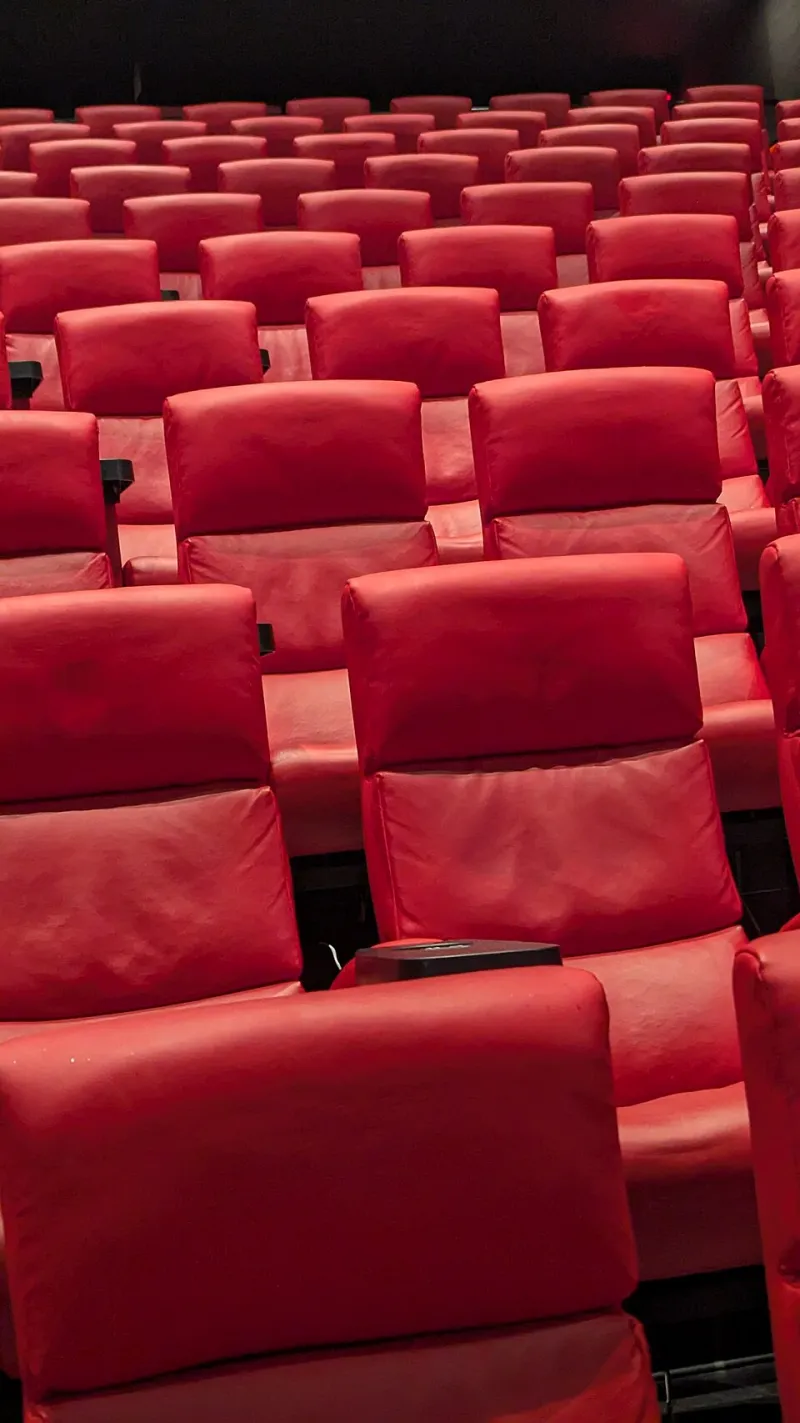
Photo: Eden, Janine and Jim from New York City, CC BY 2.0, via Wikimedia Commons
I watched a three-hour movie in two sittings last month, by accident. My laptop was dying. I plugged it in, made tea, and came back twenty minutes later to find I'd completely lost the thread. So I started over from the last scene I remembered, and something strange happened: the second half hit harder than any movie I've watched start to finish in years.
That was the whole of it. Roughly twelve minutes of kettle and hallway, and the film became better. Not because the movie improved, but because I had room around it.
Everything is now designed to not stop
Autoplay is the default because stopping is the thing the platforms are trying to prevent. The next episode loads before the credits finish. The playlist rolls into the next album. There's no gap, no breath, no moment where a normal person with a normal attention span might stand up, stretch, and ask themselves whether they'd like to continue.
And look — that's a convenience, mostly. But it's also a design choice made by people who benefit from you not pausing. The intermission never disappeared because we stopped wanting it. It disappeared because it was optimized out.
Go back a hundred years and this was all just how things were. Films shipped with reels and reels had to be changed. Theaters had built-in breaks because the projectionist needed one. Dinners were landings, not marathons — the soup, then the plate, then the coffee, the whole evening stretched out across hours. Concerts had an opener, a set break, a second set. Nobody thought of these as interruptions. They were the shape of an evening.
The pause is not dead time
Here's the thing I keep relearning: attention doesn't reset on its own. It resets when you give it something to do that isn't the thing it was just doing. Stand up. Look out a window. Rinse a plate. Say something to the person next to you that is not a reaction to what you're both watching.
Psychologists have a name for the boring version of this, and I'll spare you the lecture. The practical version is simpler: most of us tap out around the ninety-minute mark. Ninety minutes is roughly one good movie, one generous dinner, one half of a concert. After that, we're not absorbing — we're just present. There's a reason live theater gives you an interval and a four-hour Marvel movie gives you a fight scene: one respects your stamina, the other pretends you have none.
How to put one back
You don't need permission or a ticket. You just need to plan the stop, because deciding to stop in the moment is nearly impossible when the next thing is already loading.
Split the long movie. Pick the break point before you start. Not the cliffhanger — the calm scene, ideally. Announce it out loud to whoever you're watching with, so it becomes a plan instead of a whim. Then actually leave the room.
Give dinner two acts. Serve the cold thing first, then the hot thing after a genuine pause. Clear the plates, wipe the counter, come back. Cooking in courses sounds fussy until you try it once and realize you've been eating your whole dinner from one enormous plate like a person refueling a car.
Step out between sets — but not during a song. This is basic decency as much as personal pleasure. The hallway conversation at a show is often the best part of the night. Let yourself have it.
Stop conversations mid-air, on purpose. If someone makes a good point and you need a second to sit with it, say so. Hold on, let me think about that. You'd be amazed how rarely anyone's ever asked that of them, and how good it feels to be given the room.
Leave the last chapter. Unfinished things pull you back. If a book is good, the best gift you can give the next day is something to look forward to.
A small warning
An intermission should feel like a held breath, not like abandonment. If you leave a friend mid-sentence and never come back, you haven't discovered a ritual — you've just been rude. The point of stopping is that you return. That's the contract. The pause is generous because it assumes there's more worth returning to.
Which is, I think, why I've started to love the little gaps more than the main event. My husband and I now stop whatever we're watching when one of us starts checking the clock, and we finish it the next night. We talk about it more that way. We remember it better. The movie gets a whole extra life on a whole extra evening, and I get a Tuesday that has two beginnings in it.
Try it tonight. Take a break you didn't schedule. The show will wait. That's the entire point of it.