Lunch Is Not a Pit Stop: The Case for Staying at the Table
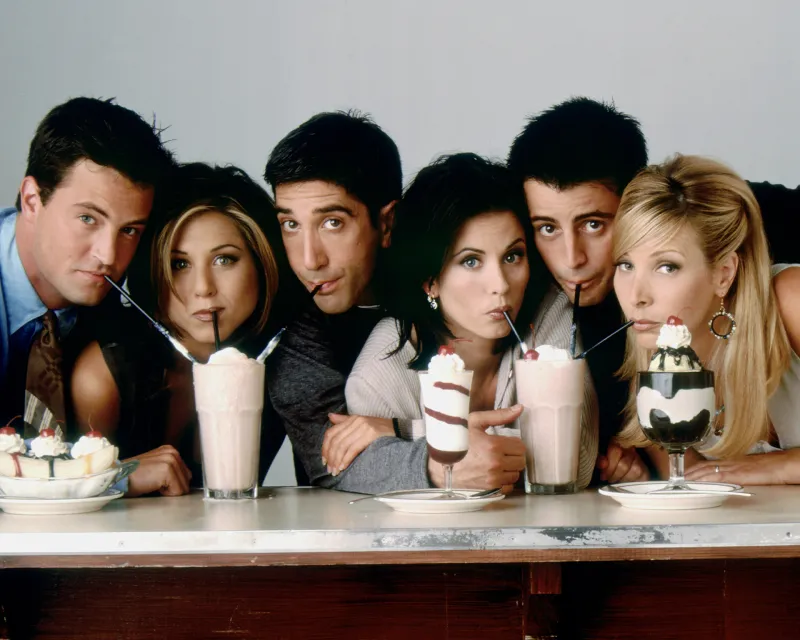
Photo: friends lingering over long lunch table bread soup natural light, via assets.www.warnerbros.co.uk
Last month I did something faintly scandalous: I sat down for lunch at 12:30 on a Tuesday and did not get up until 3:10. There was no occasion. No birthday, no promotion, no client to impress. Just a pot of chickpea soup, a loaf of bread from the bakery down the street, and two friends who had also decided, for one afternoon, that their calendars could wait.
It felt less like a luxury than a small act of rebellion. Which says something about how we treat the middle of the day.
The Lunch We Lost
Somewhere along the way, lunch became a pit stop. We eat at our desks, over the sink, in the car, during a call. We call it ‘fuel’ and mean it. The meal is not the point; the point is getting back to work. Even when we do meet someone for lunch, we schedule it tightly — 12:15 to 1:15, one hour, maybe seventy-five minutes if we are feeling reckless. The check arrives before the conversation has found its rhythm.
But lunch used to be a real meal. Not in a nostalgic, everything-was-better-in-the-past way, but in the simple sense that the middle of the day has historically been a time to pause. In parts of Europe, the long lunch is still a given. In the U.S., we have turned it into a productivity problem. We have optimized it, meal-prepped it, and in doing so, we have drained a lot of the pleasure out of it.
Why It Feels Radical
Taking a long lunch in 2026 feels radical because it asks you to believe that your time is yours. That an afternoon can be about something other than output. That lingering at a table with a friend is not a detour from your life but a part of it.
I am not suggesting we all abandon our jobs every Tuesday. I have deadlines. I have emails. I have a to-do list that reproduces like a rabbit. But I have started to notice how often I treat lunch as something to get through rather than something to enjoy. And I have started to wonder what that says about the rest of my day.
The long lunch is not really about the food. It is about the pace. It is about sitting down without one eye on the clock. It is about letting a conversation wander. It is about the second cup of coffee that you did not plan on having. It is about the moment when you realize you have been talking for an hour and no one has reached for their phone.
That is a luxury, yes. But it is not an expensive one. It does not require a reservation at a hot restaurant or a bottle of wine that costs more than your groceries. It requires time and a little intention.
How to Host a Long Lunch Without Turning It Into a Production
The irony of the long lunch is that it can be ruined by overplanning. If you spend three days cooking and two hours setting the table, you will be too exhausted to enjoy it. The goal is not a dinner party at noon. The goal is a meal that feels easy enough to linger over.
Here is what works for me:
Keep the menu simple. One pot of something, one loaf of bread, one salad, one thing to put on the bread. That is it. A pot of soup, a pot of beans, a big frittata, a tray of roasted vegetables. Something that can sit on the stove and stay warm. Something that does not require you to be in the kitchen while your guests are at the table.
Set the table like you mean it. Cloth napkins, real plates, a pitcher of water. It does not have to be fancy. It just has to signal that this is a meal, not a snack. A candle is nice even in the daytime. A small vase of grocery-store flowers is not a crime.
Put the phones in another room. Not because you are a tyrant, but because you are hosting. Give people a place to put them down. The first ten minutes will feel strange. Then it will feel like relief.
Do not clear the plates too early. This is the most important rule. The moment you start clearing, you are telling your guests that the meal is over. If you want people to linger, leave the plates. Leave the crumbs. Leave the half-empty glasses. Let the table get messy. The mess is the point.
What to Serve When the Point Is the Conversation
You want food that is forgiving. Food that can be eaten slowly, that does not need to be timed to the minute. Food that can sit out without ruining itself.
A few ideas:
- A big pot of minestrone or ribollita, with a hunk of Parmesan and a loaf of sourdough.
- A tray of roasted chicken thighs with lemons and potatoes, served at room temperature.
- A mezze spread: hummus, olives, feta, cucumbers, tomatoes, warm pita. No cooking required.
- A pot of dal with rice, yogurt, and a jar of pickles.
- A simple pasta salad with farro, roasted vegetables, and a sharp vinaigrette.
- A cheese board that is mostly cheese, with some fruit and nuts and a baguette.
Dessert can be a piece of chocolate, a bowl of clementines, or nothing at all. Coffee is good. Tea is good. A second glass of wine is optional.
The Art of Not Clearing the Plates
The long lunch is a practice in doing less. It is a practice in letting the afternoon be a little unproductive. It is a practice in believing that the conversation is the point, not the food.
It is also a practice in being a good host. Not the kind of host who runs around refilling water glasses and apologizing for the state of the kitchen. The kind of host who sits down. The kind of host who does not jump up every five minutes. The kind of host who lets the meal take its time.
If you are the guest, the same rule applies. Do not rush. Do not help clear unless you are asked. Do not say ‘I should probably get going’ at 1:30. Stay for the second cup of coffee. Stay for the story that takes too long to tell. Stay until the light changes.
A Permission Slip
You do not need a reason to take a long lunch. You do not need a birthday or a holiday or a friend in town. You need a Tuesday. You need a pot of soup and a loaf of bread and someone who will sit with you for a while.
In 2026, we are all busy. We are all tired. We are all trying to do more in less time. But the long lunch is a reminder that some of the best parts of life are not efficient. They are slow. They are unplanned. They are a little bit indulgent.
So take the lunch. Take the afternoon. Let the plates sit. The emails will be there when you get back. The conversation might not be.